Perspectives
Connecting people to purpose.
People want to be part of something bigger than their own job. A company that gives them a genuine purpose earns their heads, hands and hearts, and that engagement becomes a competitive advantage. This page collects what Michael has said and written about leading people, running companies and serving communities.
The virtuous cycle
Purpose drives engagement. Engagement drives performance.
Purpose increases people's connection to and investment in their work. Engaged employees stay longer, show up more and produce more, and that competitive advantage turns into stronger financial results. Those results let the company invest further in its purpose, and the cycle starts again.
Purpose only works if it is real. It is not a slogan or a sign on the wall; it has to show up in every decision of consequence. At Ingevity the purpose was “to purify, protect and enhance the world around us.” When an otherwise attractive acquisition carried a product line at odds with that purpose, the company walked away. At Vibrantz, Michael built one culture out of three combined companies around a new shared purpose.
“An effective purpose will engage employees’ hearts as well as their heads and hands.”Read Connecting People to Purpose
What he stands for
Safety is a moral responsibility of leadership.
“Every injury, in some way, is a failure on the part of leadership.” Caring about people is the core of safety, backed by sound systems and a culture in which anyone can stop work when something looks wrong. Read Safety's Secret Ingredient
Leaders show up.
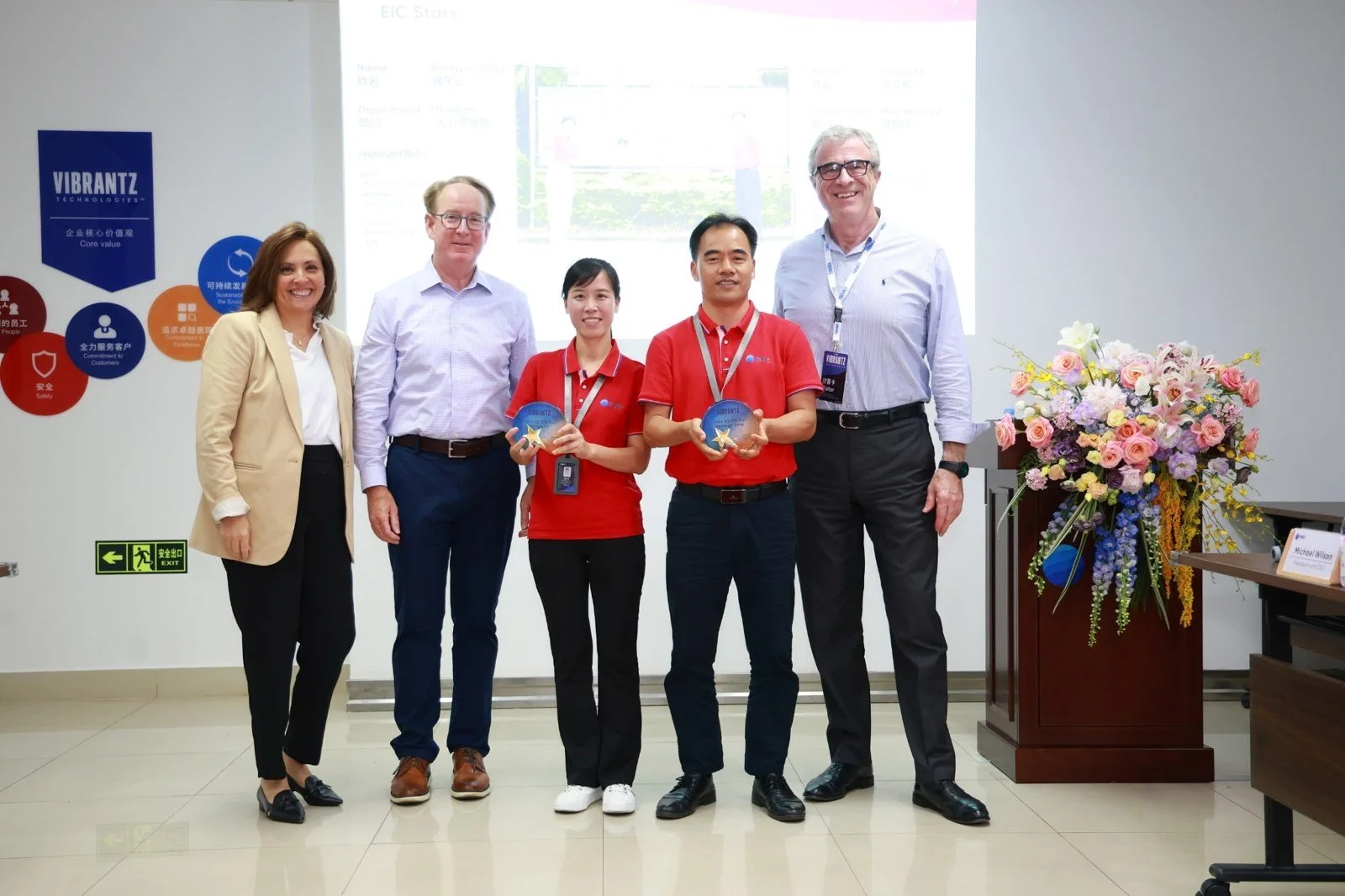
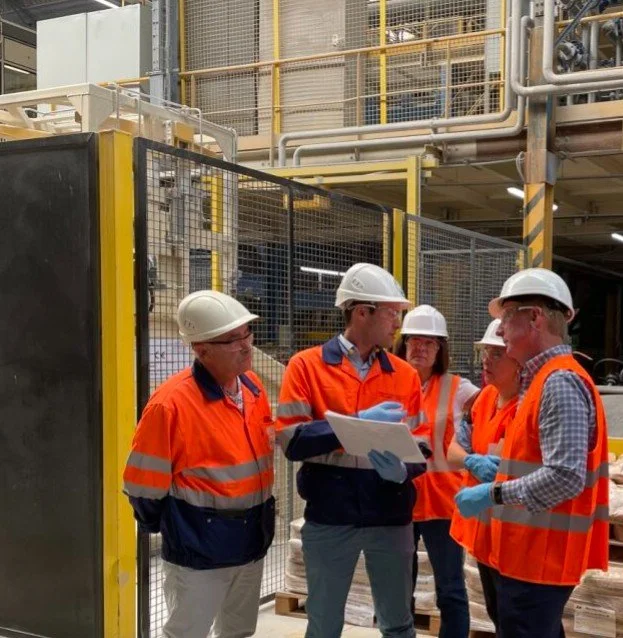
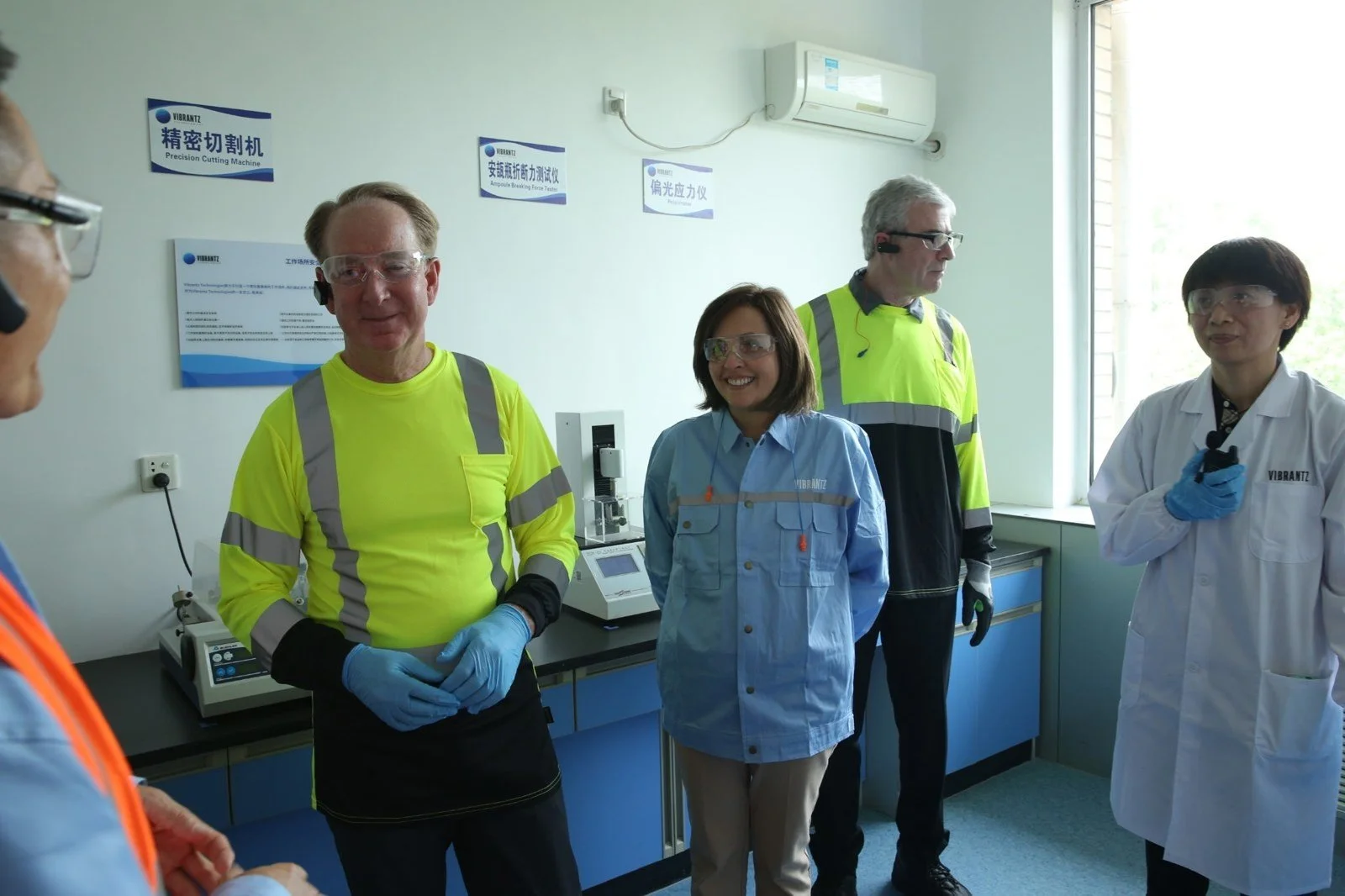
“Being a CEO isn’t about you, it’s about your teams.” Time on plant floors, in labs and at town halls is how a leader listens, learns the business and earns trust. Read CEOs Must Visibly Lead
Esse quam videri. To be, rather than to seem.
North Carolina’s state motto is his test for leaders and companies alike. He regards authenticity as the most important characteristic in a leader, and it is what keeps a purpose from becoming a slogan. “There is no greater competitive advantage than the combination of extraordinary people in an engaging and empowering culture.”
His story
From a mill town to the boardroom
Michael grew up in Canton, North Carolina, a paper-mill town in the mountains west of Asheville. His father’s rule was that anything worth doing is worth doing right, a lesson Michael says made a lifelong impression. He is proud of his parents, who came from humble, working-class roots, but went on to live their version of the American Dream: giving their children a better life than they had. Their belief in education enabled Michael and his brother, Barry, to fulfill the same dream.
Growing up, Michael always had an affinity for math and science. He studied chemistry at UNC-Chapel Hill and started his career as a product development chemist at Rexam. He wasn’t in the role long before realizing he wanted to pursue business leadership. He returned to Chapel Hill for his MBA at Kenan-Flagler. Back at Rexam he rose to run its Laminex business, and in 1996 he returned to the industry he grew up around, running Wausau Papers’ technical specialty division in Rhinelander, Wisconsin. There he became a CEO direct report and a corporate officer for the first time at age 33. In 1997 he joined FMC, where over more than 15 years he led the lithium, industrial chemicals and specialty chemicals businesses and served as a corporate executive officer. He also led FMC’s philanthropy program and its first sustainability efforts. He joined Albemarle in 2013 and co-led the acquisition of Rockwood Lithium, beginning the transformation of Albemarle to a lithium business.
In 2015 WestRock asked him to lead the spin-off of Ingevity, and he moved to Charleston to build the company, and the board he would report to, from the ground up. Completed in 2016, the spin-off proved highly successful, and he served as Ingevity’s first CEO. Beyond its financial performance, Michael is equally proud of the culture built there, the IngeviWay. He often told investors, “We’re a 100-year-old legacy chemical company with the audacity to operate as a Silicon Valley start-up.” He joined Prince International as CEO in 2020, his first experience in private equity. He led its turnaround through the pandemic and then the creation of Vibrantz Technologies, a $2 billion company formed by combining Prince, Chromaflo and Ferro, where he served as CEO until early 2025.
Today Michael serves as a board director and advisor, including on the board of UNC Kenan-Flagler, where his business education began. Grateful for the good fortune and the trusted leaders who helped him throughout his career, he is now focused on “paying it forward” to the next generation of leaders through board and advisory service and by sharing what he has learned.
Michael and his wife, Pam, live on Kiawah Island, South Carolina. Since arriving in 2015 they have continually sought ways to engage with the community.
“The reward for work well done is the opportunity to do more.”
On air
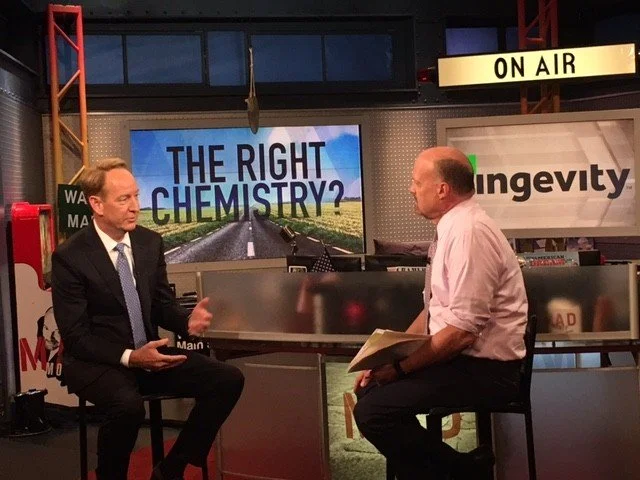
Radio · May 2011
Executive Leaders Radio
Recorded in Philadelphia while Michael led FMC’s Specialty Chemicals Group, on the day FMC’s executive team volunteered at Philabundance. He talks about growing up in a mill town and what a company owes the community around it.
Highlights
- “At some point in your life, you need something that’s more than that. You need to know that you’re doing something that’s bigger than yourself.”
- “The whole idea is to give more than money.”
- “My dad’s big thing was that anything worth doing is worth doing right. That made probably a lifelong impression upon me.”
Writing
In the news
Earlier coverage and writing
- Leadership During COVID-19: Leave 2020 Behind and Embrace the New YearMedium · December 2020
- Joining Prince International as CEOMedium · November 2020
- Prince International appoints D. Michael Wilson as Chief Executive OfficerPR Newswire · November 2020
- COVID-19: It's time we go back to work, and time we send our kids back to schoolMedium · May 2020
- 50 Most Influential People of 2018Charleston Business Magazine · January 2019
- Ingevity awards $60,000 in scholarships to 30 high school seniorsIngevity · 2019
- WestRock names Board of Directors for IngevityIngevity · 2016
- Chief Executive Officer named for IngevityIngevity · 2015
- Albemarle names D. Michael Wilson president, Catalyst SolutionsPR Newswire